Your clients may already be using AI on your delivered work: adding objects, filling in scenes, running images through chatbots, using auto-filter apps, or feeding creative work into AI tools. Many contracts written before 2024 do not address those uses clearly. This clause does.
What it covers:
Core protections, drafted by an attorney who works with creatives every week:
1. Specific client restrictions on AI use. Generative editing, training data, manipulation, chatbots, auto-filter apps, AI references, prompts, and seed images are addressed directly. Specific restrictions are stronger than a vague “no AI use” sentence.
2. Third-party and downstream responsibility. Covers what happens when a client’s printer, platform, vendor, agency, licensee, or other third party uses your work with AI.
3. Disclosure of your own AI use. Covers AI-enabled tools used in your workflow, including moodboards, culling, retouching, editing, administration, and post-production, so clients cannot later claim they did not consent to AI involvement.
4. Likeness and model release protection. Addresses AI use involving identifiable subjects, synthetic likenesses, digital replicas, biometric analysis, and model release overlap.
5. Breach remedies and survival. Includes material breach language, indemnity, injunctive relief, attorneys’ fees, optional liquidated damages, and survival language so the restrictions continue after the project ends.
Who it’s for:
Drafted for photographers, videographers, designers, illustrators, copywriters, and other creatives whose deliverables could be uploaded to, altered by, or used to train an AI system.
How it works:
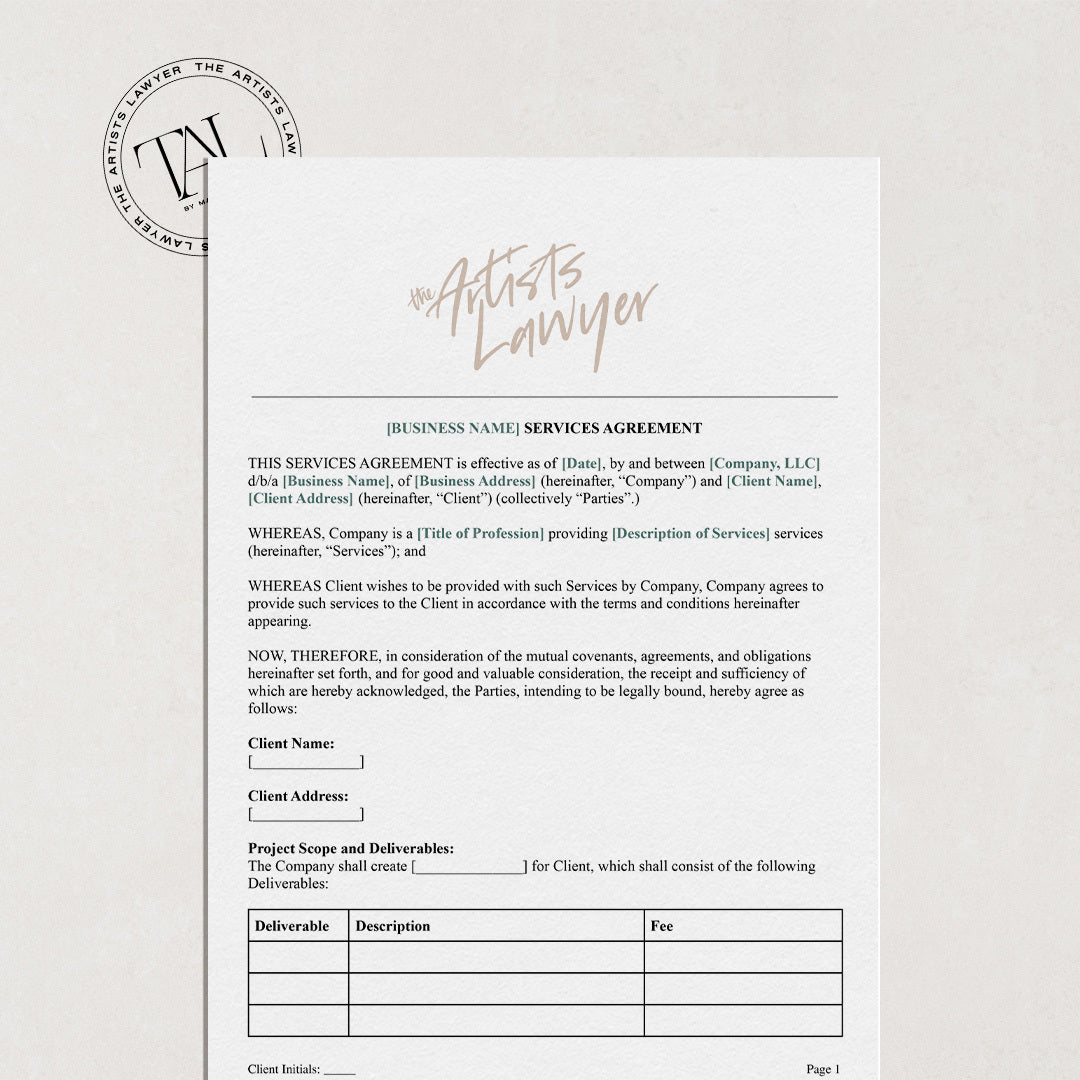
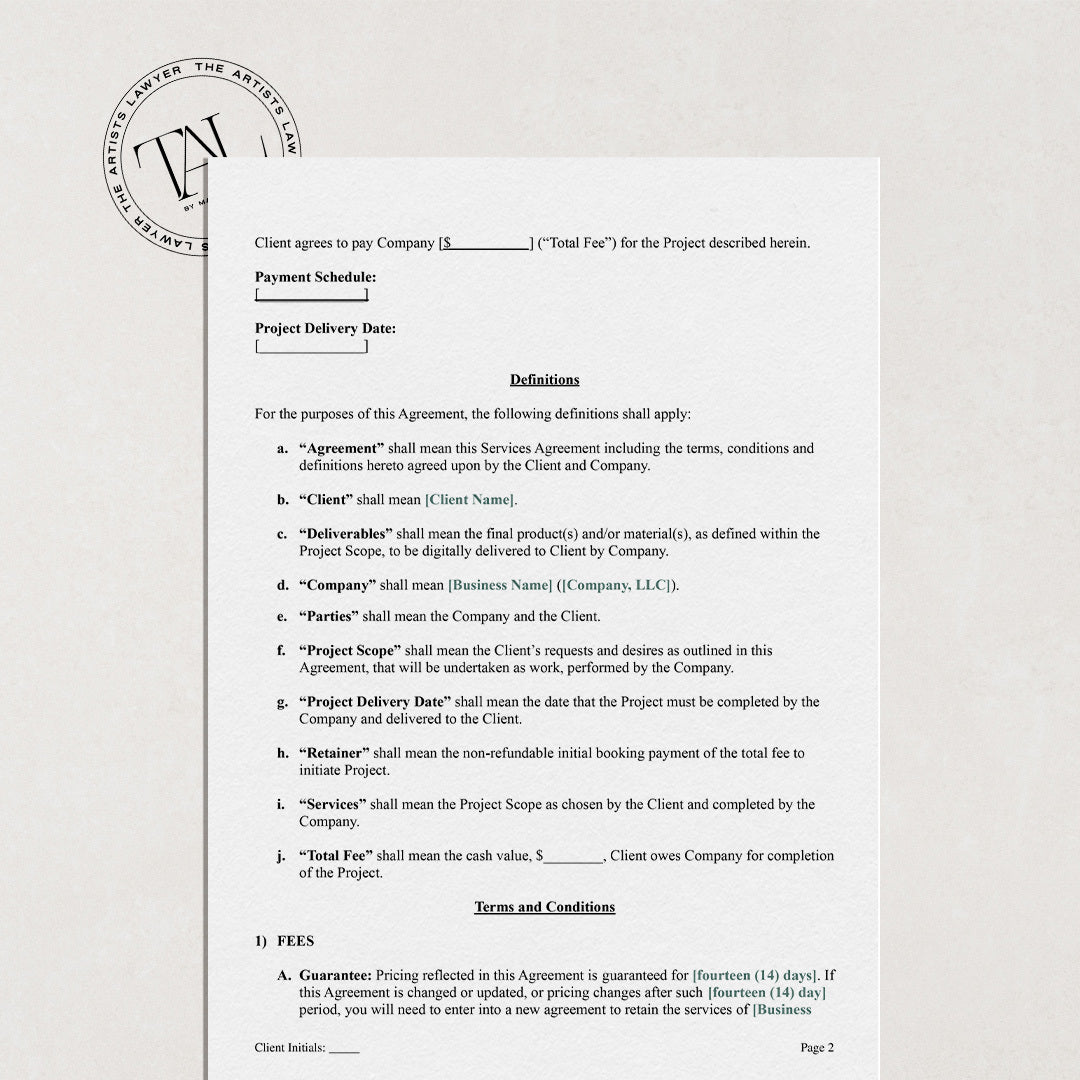
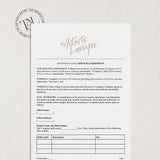
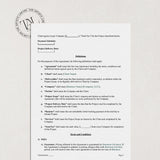
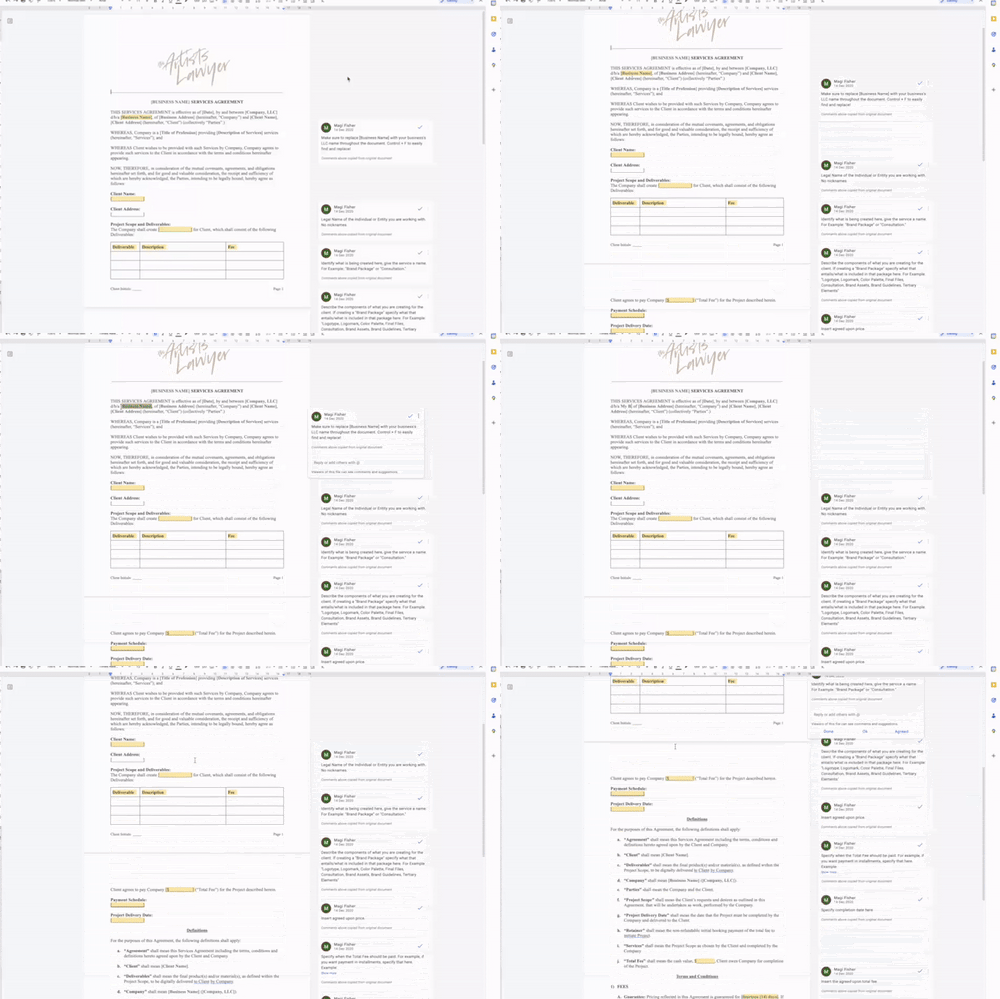
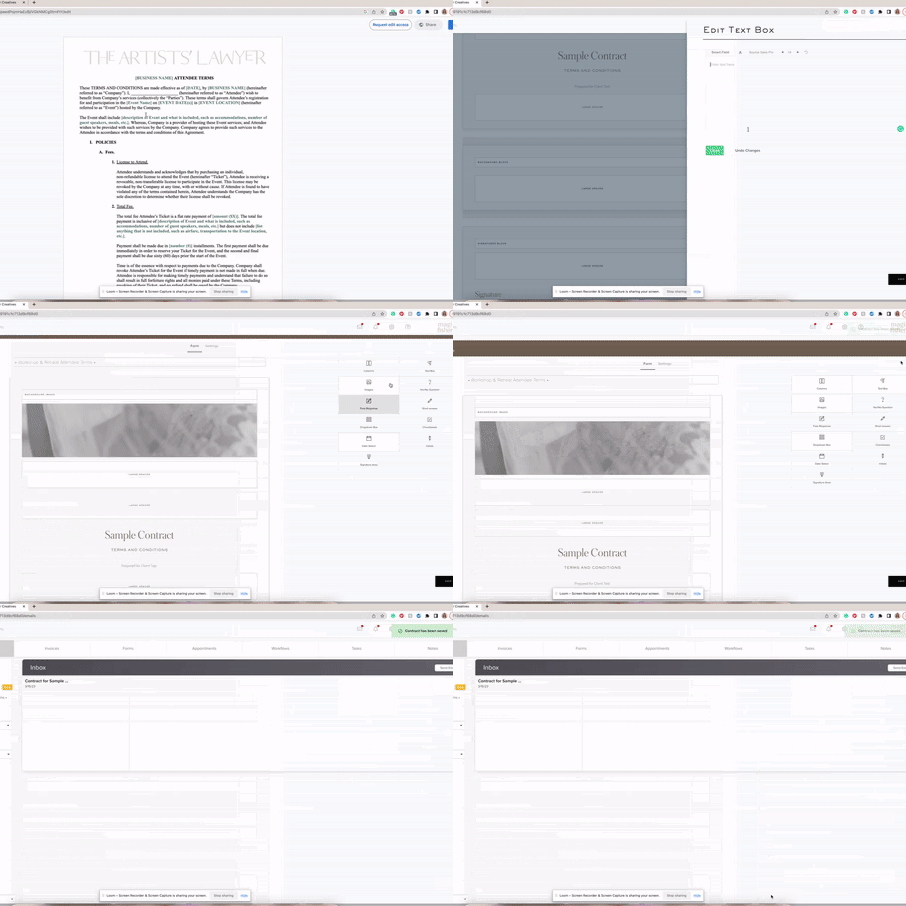
Add it to any TAL service agreement in under five minutes. You receive a PDF with a Google Doc link, highlighted customization fields, and implementation notes. Pair it with a Model Release if you photograph or film identifiable subjects.
Why a real clause matters:
Free AI clauses circulating online usually focus on one thing: prohibiting client AI use. They often miss the creator’s own AI-use disclosure, third-party responsibility, model release overlap, and enforcement mechanisms. A clause without remedies gives you limited practical leverage. This clause is designed to give your AI restrictions real contractual teeth.
Related AI Clauses
Each clause covers a different direction of AI use. Pick the one, or ones, that fit:
• To govern how your client uses AI on the work you deliver → this clause
• To disclose your own use of AI in your process → AI Disclosure Clause
• To require clients to submit human work for review → No-AI Submission Clause
Want all three? The AI Protection Kit bundles them into one purchase.
Browse the full set → theartistslawyer.com/collections/ai
The Artists' Lawyer templates are attorney-drafted, not legal advice.