Content creators are the newest vendor at every wedding and event — a "wedding content creator" the couple hired, an influencer with a gimbal, an extra body (or two) nobody told you about. When someone you didn't plan around is working the same moments you are, it can mean blocked shots, duplicated or confused ownership of content, and guests looking at three cameras instead of yours. This clause puts the responsibility where it belongs: on the client to tell you who else is capturing content — so your coverage plan holds, and an undisclosed creator can never become your failure to deliver.
What it covers:
1. Advance disclosure of other content creators. The client must tell you, a set number of days before the event, the identity and role of any other vendor or individual — whether the client hired them directly or through another vendor — they know will be capturing photo or video on professional-grade equipment (interchangeable-lens camera, gimbal, or drone) during your coverage.
2. A sensible smartphone carve-out. Guests using a personal phone for incidental, non-commercial snaps are expressly excluded — so the clause targets real content creators working the event, not Aunt Susan.
3. Coordination, not accommodation. You'll make reasonable efforts to coordinate with any creator disclosed on time — but you're not obligated to alter your positioning, planning, or timeline for one you were never told about.
4. No failure to perform. Any delay, gap, or obstruction caused by an undisclosed or uncoordinated content creator is expressly not a breach by you — closing the "you didn't get the shot" argument before it can start.
Who it's for:
Wedding and event photographers and videographers — anyone whose contracted coverage can be undercut by another creator working the same room. The [Provider] field flexes to however your contract names you (Photographer, Videographer, Studio, or Company), so it drops into any coverage-based agreement.
How it works:
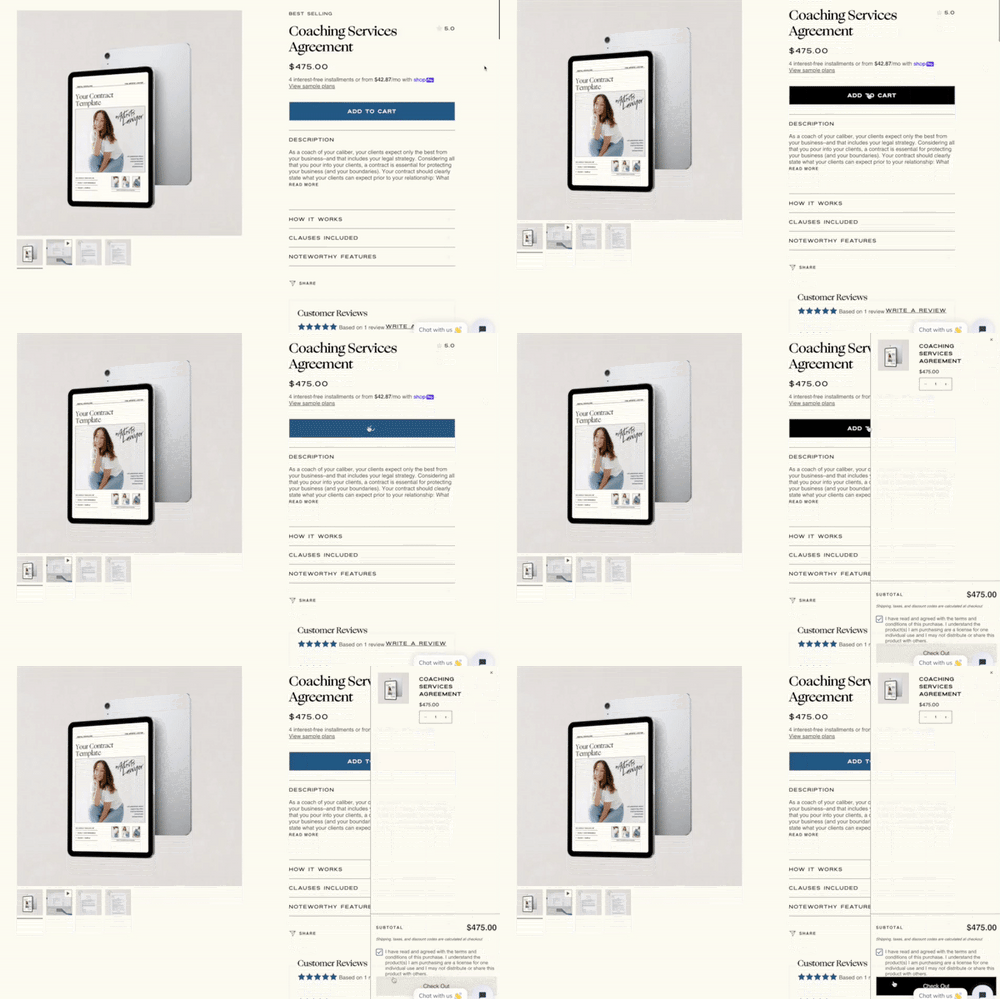
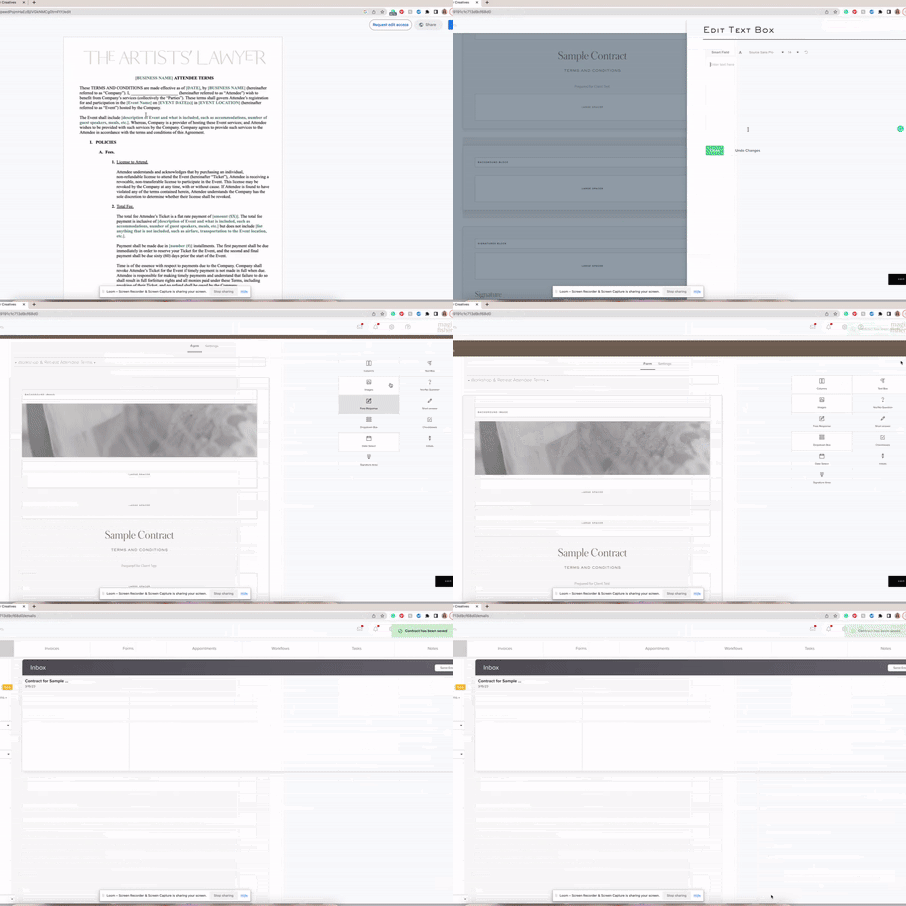
Insert it as its own Section [X], or nest it into your coverage or client-responsibilities section. Fill in your notice window (e.g. 30 days), swap [Provider] for your term, and copy-paste. You receive a PDF with a Google Doc link, highlighted customization fields, and implementation notes.
Why a real clause matters:
"Let me know if you're hiring a content creator" in an email isn't a term. A clause with a disclosure deadline and a no-failure-to-perform backstop makes an uncoordinated creator crowding your shot the client's risk to manage — not a reason you're on the hook for the gallery.
The Artists' Lawyer templates are attorney-drafted, not legal advice.